
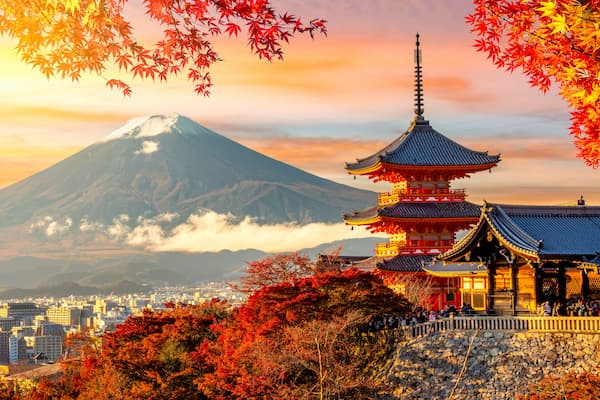
The Ultimate Guide to Visiting Japan
Japan is often described as a planet of its own, a place where ancient traditions blend seamlessly with futuristic technology. From the neon-soaked streets of Tokyo to the tranquil temples of Kyoto, there are countless reasons to visit Japan. Whether you are a foodie hunting for the best ramen or a history buff exploring samurai castles, this country offers an unforgettable experience for every type of traveller.
We know that planning a trip here can feel overwhelming, especially when trying to stick to a backpacker’s budget. However, with careful planning and the right advice, you can explore this incredible destination without breaking the bank. In this guide, we will cover everything you need to know, from the best month to visit Japan to how to save money on transport.
Before You Visit Japan: The Essentials
Before you book your flight, there are a few practical things you need to sort out to ensure your trip runs smoothly. Japan is unique in many ways, and arriving prepared will save you both time and money.
- Visa Requirements: For many nationalities, including citizens of the UK, USA, and EU, you can visit Japan for up to 90 days without a visa. However, entry rules can change, so always double-check your specific government advice before flying.
- Connectivity: Free Wi-Fi is becoming more common but can still be patchy in remote areas. We highly recommend renting a Pocket Wi-Fi or buying an eSIM before you arrive so you can use maps and translation apps on the go.
- Cash is King: While more shops now accept cards, many small restaurants, ticket machines, and temples still strictly deal in cash. Always carry a decent amount of Yen with you, and use 7-Eleven ATMs, which generally accept international cards.
- Transport Passes: The cost of a Japan Rail Pass is around ¥50,000. It is essential to use a calculator online to see if your specific itinerary makes the pass worth it, or if buying individual tickets is cheaper.
Best Time to Visit Japan
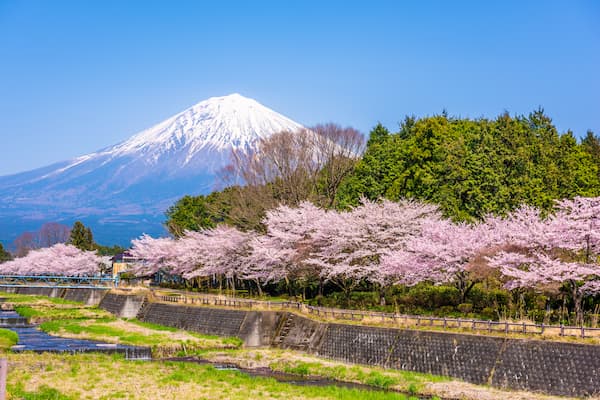
Deciding on the best time to visit Japan depends entirely on what you want to see and how much you are willing to spend. Each season offers a completely different atmosphere, from pink cherry blossoms to deep powder snow.
| Season | Months | Temperature | Best For |
| Spring | March – May | Mild (10°C – 20°C) | Seeing the famous cherry blossoms (Sakura) and comfortable sightseeing weather. |
| Summer | June – August | Hot & Humid (25°C – 35°C) | Climbing Mount Fuji, summer festivals (Matsuri), and beach trips to Okinawa. |
| Autumn | Sept – Nov | Cool (15°C – 25°C) | Viewing stunning autumn leaves (Koyo) and hiking in comfortable, clear weather. |
| Winter | Dec – Feb | Cold (0°C – 10°C) | Skiing in Hokkaido or the Japanese Alps, and enjoying fewer crowds in major cities. |
If you are looking for the absolute best month to visit Japan for weather, May and November are fantastic choices as they are generally dry and mild. However, if you are a budget traveller, winter (excluding the New Year holiday) often offers cheaper accommodation rates.
Key Places to Visit in Japan
If travellers are wondering what the best cities to visit in Japan are for a first-time trip, the “Golden Route” is the standout choice. This classic itinerary covers the five most iconic locations in Japan, offering a perfect mix of modern chaos, ancient history, and incredible food.
While independent travel is often the go-to for keeping costs low, planning can be stressful. If a more structured approach is preferred, discover the best Japan tours to see the country’s highlights with ease.
However, for those ready to tackle the trains solo, here are the 3 top places to visit in Japan that are non-negotiable for any budget traveller.
Tokyo
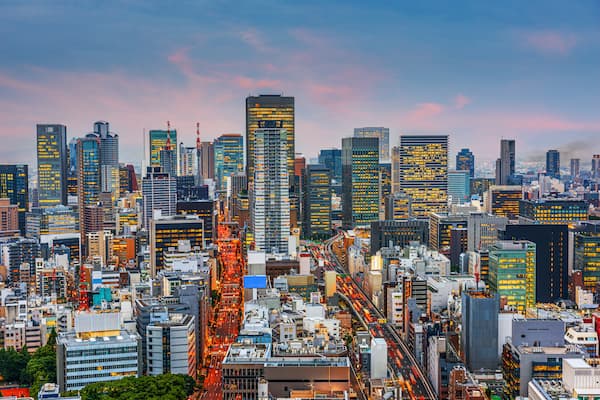
As the capital and the world’s most populous metropolis, Tokyo is a thrilling feast for the senses. It is a dynamic city where visitors can soak in the tranquility of a centuries-old shrine in the morning and dive into the exhilarating fun of go-karting on the streets in the afternoon.
If travelling as a group or wanting a bit more space than a shoebox hotel room, it is worth looking online to find brilliant family stays in Tokyo that can often work out cheaper per person. Sticking to neighbourhoods like Asakusa or Ueno also helps keep costs down while remaining close to the action.
Best Things to do in Tokyo
- TeamLab Planets: This digital art museum is hands-down one of the most popular must-visit places in Japan. It is an immersive experience where guests walk barefoot through water and crystal lights, and tickets sell out weeks in advance.
- Shibuya Sky: While the Tokyo Skytree is famous, Shibuya Sky is often preferred for its open-air deck and lower price point. It offers arguably the best view of the famous Shibuya Crossing and, on a clear day, Mount Fuji.
- Senso-ji Temple: Located in Asakusa, this is Tokyo’s oldest temple and is completely free to enter, making it perfect for a tight budget. Visiting at night is recommended when the crowds have gone and the pagoda is beautifully lit up.

Kyoto
If Tokyo is the futuristic brain of Japan, Kyoto is its traditional heart. This city was the capital for over a 1,000 years and is home to over 1,600 temples, many of which are UNESCO World Heritage sites.
Renting bicycles is a fantastic option here; it is much cheaper than the bus and allows exploration of the backstreets where Geisha can be spotted without the massive crowds.
Best Things to do in Kyoto
- Fushimi Inari Shrine: Famous for its thousands of vermilion torii gates winding up the mountain, this is an iconic photo spot. It is free to visit, but hiking to the very top is suggested to escape the tourists who usually stop halfway.
- Kinkaku-ji (Golden Pavilion): This Zen temple covered in gold leaf is one of the most visually stunning locations in the country. The entry ticket is very affordable (around ¥500), making it a great value stop for an itinerary.
- Nijo Castle: Buying a ticket to this feudal-era castle is highly recommended to walk across the famous “nightingale floors” that chirp to warn of intruders. It provides a real sense of samurai history that is missed when simply staring at a building from the outside.
Osaka
Osaka is often called “Japan’s Kitchen,” and for good reason, the food culture here is legendary. The people are generally perceived as friendlier, the vibe is grittier, and the nightlife is unbeatable compared to the more reserved Tokyo. It is also typically cheaper than Tokyo, so it is a great place to stock up on souvenirs or enjoy a big night out without ruining the budget.
Best Things to do in Osaka
- Universal Studios Japan (USJ): If there is room in the budget, a ticket to USJ is considered worth every Yen, especially for the Super Nintendo World area. It is one of the few “splurge” tickets that provides value for the sheer scale of entertainment.
- Osaka Castle: This is one of Japan’s most famous landmarks, surrounded by a massive park that is great for a free picnic. A ticket can be purchased to enter the museum inside the castle tower for a great view of the city skyline.
- Dotonbori: While technically a district and not a single attraction, walking here at night is an event in itself. No ticket is needed, just cash for the endless street food stalls selling takoyaki (octopus balls) and okonomiyaki under the neon Glico Man sign.
How to budget for a trip to Japan
Determining how much to budget for a trip to Japan can be tricky, as costs vary wildly depending on travel style and season. While Japan has a reputation for being expensive, the cost of a holiday to Japan is often comparable to Western Europe. Instead of fixing a set daily rate, travellers should consider these key areas to build a realistic estimate.
Accommodation
Accommodation will likely be the largest daily expense, but prices fluctuate heavily based on the season. We previously mentioned Tokyo Family Stays, but Japan offers a wide range of options.
- Check Seasonal Rates: Always check daily rates for both peak (Cherry Blossom) and off-peak (Winter) dates to gauge the difference.
- Budget Options: For the lowest spend, look for “Capsule Hotels” or hostels, which are clean, safe, and unique to Japan.
- Mid-Range Comfort: “Business Hotels” offer compact en-suite rooms at a mid-range price point that won’t break the bank.
Food and Drink
The cost of food in Japan is flexible, allowing travellers to save significantly without going hungry.
- Convenience Stores (Konbini): For breakfast or quick snacks, stores like 7-Eleven offer high-quality onigiri and bento boxes for just a few hundred Yen.
- Casual Dining: The average cost of a meal in Japan at chains like Yoshinoya or local ramen shops is usually under ¥1,000 (£5).
- Dining Out: It is worth budgeting for at least one nice dinner to experience an authentic Izakaya or conveyor belt sushi restaurant.
Travel
Transport costs can accumulate quickly, so knowing the options is essential for keeping the cost of Japan trips manageable.
- Intercity Options: Highway Buses are often the cheapest method, sometimes costing half the price of the Bullet Train (Shinkansen).
- Daily Transit: Getting a rechargeable IC Card (like Suica or Pasmo) is essential for smooth transfers between subway lines within cities.
- Regional Deals: Travellers should research regional rail passes or discount domestic flights, which can sometimes offer better value than standard train tickets.
Activities and Sightseeing
Many of the best places to visit in Japan are affordable, but “big ticket” attractions can spike the daily budget.
- Free Culture: Temples, shrines, and public parks are often completely free or cost very little (usually under ¥500).
- Theme Parks: The cost of things in Japan, like Universal Studios Japan or Tokyo Disney, requires a significantly higher budget allocation.
- Balancing Costs: Prioritising free cultural sights is the best way to offset the cost of one or two major paid attractions.
Other Considerations
- Travel Season: Avoiding peak times like Cherry Blossom season (Sakura) or Golden Week can drastically lower the overall cost. Visiting in late autumn or winter often yields cheaper flights and accommodation rates.
- Unmissable Splurges: While budgeting is important, some experiences are worth the extra Yen. Whether you are interested in having a night in a traditional Tokyo Ryokan, a local meal in the Asakusa district or getting tickets to TeamLab Planets, leave room for unforgettable treats.
- Planning in Advance: Booking early is the best way to secure deals. Flights and popular budget accommodation often rise in price closer to the date, while must-do activities like Ghibli Park or Shibuya Sky sell out weeks in advance.
Is Japan the Right Trip for You?
Japan is a destination that feels like a different planet, offering safe, clean, and endlessly fascinating experiences for every budget. It rewards those who have a solid plan, eat locally, and embrace the quirks of its unique culture.
Ready to book your adventure? Are you thinking about visiting Japan sometime soon? Check out our other helpful guides, like What to Do in Tokyo for 3 Days, for more expert advice and travel inspiration.
FAQs about Visiting Japan
Is Japan a safe country for solo travellers?
Yes, Japan is consistently ranked as one of the safest countries in the world for travellers. Crime rates are exceptionally low, and it is common to see locals leaving personal belongings unattended in cafes. However, visitors should still exercise common sense, particularly in nightlife districts like Roppongi or Kabukicho in Tokyo, where touts can target tourists.
Do I need a travel adapter for Japan?
Most international travellers will need an adapter. Japan uses Type A sockets (two flat parallel pins), which are identical to those found in the USA. The voltage is 100V, so visitors from the UK, Europe, or Australia must check that their device chargers read “Input: 100-240V” to avoid damaging their electronics.
How do I pay for public transport in Japan?
For most local trains, subways, and buses, the best option is a prepaid IC Card (such as Suica, Pasmo, or ICOCA). These are rechargeable cards that you simply tap at the ticket gates. You can purchase them at ticket machines in major stations or add a digital version to your smartphone wallet, saving you from buying individual tickets for every journey.
Will travelling in Japan be difficult without Japanese language skills?
While it can be intimidating, travelling in Japan without Japanese skills is entirely possible and very common. Major cities like Tokyo and Osaka have English signage in all train stations, and ticket machines almost always have a language button. That said, outside of the main tourist loop, English speakers are rare. It is highly recommended to download a translation app; a camera function is a lifesaver for reading menus and navigating washing machine buttons at coin laundries.
Some of the links on this page are affiliate links, which means we can earn a small commission when our visitors click on them. This helps us to keep our content free and accessible for everyone, but you’ll never be charged for engaging with them.

